he idea of sacred space and how we approach it as modern pagans has been on my mind. With my current home situation figuring out how to set that space, and feel ANYthing at it weighs a bit. At some point, over the course of our practice, many of us quietly develop a checklist depending on whether it is group or individual ritual.
We start with an idea that we need an altar. That altar needs bling, right? We need candles, tools, maybe if money allows we need statues. We collect and polish, wrap carefully after ritual if in a public place, place the bling in totes that we haul from place to place and take turns storing until the next high day. If we are really lucky maybe a special room, place in a yard, a sacred dedicated space in nature. If all else fails, we start eyeing bookshelves and wondering if we can convince a cat to surrender eighteen inches of territory if we give them enough treats as sacrifice.
Don’t get me wrong, I love altars. I have lots of them myself, but currently everything is in boxes contained in a 10×20 storage unit while I am across the country. My cousin will refer to belongings as “just stuff” that you can walk away from at any time and just replace it. I get that, and I am truly happy that she is in a place where easily replacing your belongings is a viable option. I am not at that point. I’ve lost everything so many times that I hold on to what I DO have as it an extension of me. A hard earned, well thought out item that brings me joy and a sense of accomplishment. Our altars are the same. I wonder sometimes, though, if we’ve unintentionally trained ourselves to believe that sacredness only exists where we’ve deliberately placed it. If the candles aren’t lit, or the trappings not changed for the new season, the incense isn’t burning, have we somehow convinced ourselves the sacred part is temporarily closed?
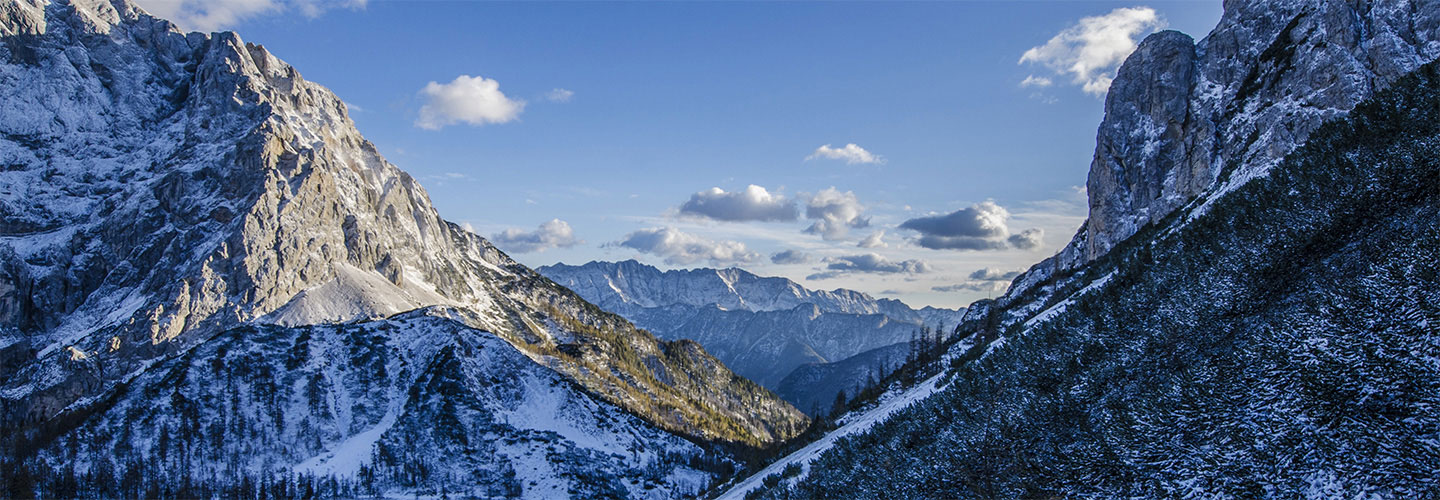
In the small selection of material we have, a different picture emerges. The farther you wander back into early pagan societies, the less you find spirituality separated from life itself. Rather than a room, table, or shelf you begin finding places. A grove, a spring, a stone, a crossroads, or even a hill. There might have been a tree that everyone in the community simply knew was important. Sacredness wasn’t always built the way we do today. Sometimes it was just recognized.
Take the Icelandic concept of sacred mountains and protected landscapes. We see hints of this in the Icelandic sagas and settlement traditions where certain hills, stones, and features of the land were approached with respect. Land wasn’t simply property. It carried presence. The Landvættir, spirits of place, remind us that people weren’t walking around assuming every space belonged entirely to them. There was an understanding that you were sharing the world with other beings. You were a participant, not the owner.
We see something similar with sacred groves across Germanic and northern European traditions. The Roman historian Tacitus describes communities gathering in wooded spaces rather than elaborate temples. While we always have to take Roman, and Christian, observations with a healthy pinch of salt, the larger pattern appears repeatedly throughout archaeological evidence. People met the sacred outdoors. They gathered where the world already felt different to them. There wasn’t a need to build an elaborate structure because the place itself was the structure.
Even in later Scandinavian folklore, that relationship continues. Certain hills belonged to hidden folk. Certain waters deserved offerings. Trees were left alone entirely because everyone understood there was a relationship there that wasn’t purely human. Until monotheism came through and attempted to destroy it all. Time progressed, societies changes, and we moved forward.
Then somewhere along the line, we reached modern life. We paved and scheduled things. We compartmentalized. We became very efficient little creatures. Home. Work. Errands. Spirituality. Everything got sorted neatly into its own container and labeled much like that hall closet with all your yuletide totes. Which means many of us now approach sacred space as though we’re trying to manufacture it from scratch every single time.
Light the candle. Spirituality activate! Extinguish candle. Spirituality dissipate. With that final take down, the gods politely clock out until further notice. Life returns to the mundane. I say that with affection because I’ve absolutely done it too. But the older I get and the longer I practice, the more I’ve started wondering if sacred space is less about creating a separated idea and more about just paying attention to what is already there. Perhaps sacred space isn’t a destination at all, but simply a relationship.
I don’t think our ancestors spent every waking moment performing ritual. They still had chores, children, weather, illnesses, stubborn livestock, and neighbors who probably irritated them from time to time. Life was still life. But the sacred wasn’t confined to an appointment or an eight-spoked calendar. It was woven into every day living. That doesn’t mean our altars are meaningless. Quite the opposite. They can become beautiful focal points and anchors within our constant practice.
The problem above only appears when we start believing sacredness lives exclusively at that particular spot. The gods don’t disappear because we left the house. The ancestors don’t stop existing because we’re standing in a grocery store. The land doesn’t stop being alive because we’re walking through a parking lot instead of a forest. Sacred space was never a room. It was never a piece of furniture. It was never an aesthetic. It was never a social media photograph with twenty-seven candles and suspiciously perfect lighting. It was relationship, attention, and participation. Maybe that’s one of the biggest things we can reclaim as modern pagans. Permission to stop trying so hard. Permission to allow sacredness to be a little messy and a little ordinary.
After all, some of the oldest spiritual traditions we have survived precisely because they weren’t separated from life. They were embedded within it. Maybe the sacred was never asking us to build a doorway. Maybe it was simply waiting for us to realize we’d been standing inside it the entire time.
Enjoy this summer sunshine and even the stormy weather. Remember to take a moment out of your day and find your sacred breath.